
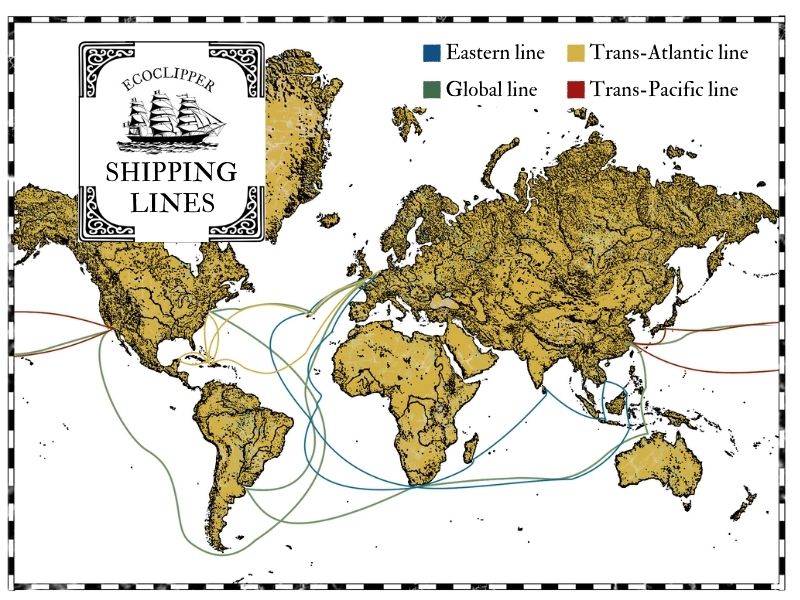
Before the invention of the telegraph, information moved only as fast as humans or ships could travel. Messages between London and New York could take around 12 days, while communication with Australia could take months. Entire wars, economies, and political decisions unfolded slowly because people simply could not share information quickly across long distances.
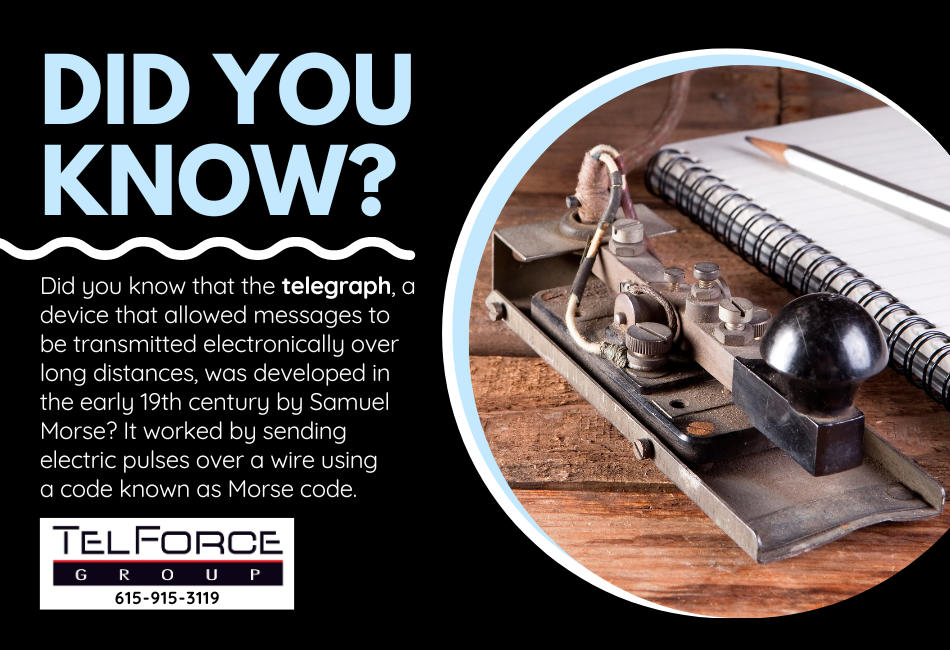
The telegraph completely changed communication by transforming words into electrical patterns. Morse code converted language into dots and dashes that could travel through wires almost instantly. For the first time in history, humans separated information from physical transportation. Messages no longer needed a person to carry them across oceans or continents.
The telegraph revolutionized communication, but eventually it was replaced by newer technologies like the telephone. Companies that adapted survived, while others fell behind. Bell invested in telephone technology and expanded rapidly, while Western Union failed to adapt as successfully. The history of communication technology shows that innovations rarely last forever because newer systems constantly emerge.

The telegraph was one of the first technologies to create an interconnected world. It transformed information into signals that could travel instantly across great distances, laying the foundation for modern communication systems like the internet and smartphones. Even though the technology itself became outdated, the telegraph permanently changed how humans think about communication, speed, and global connection.