
When most people think about Morse code, they immediately think of Samuel Morse. While Morse played a major role in developing the telegraph system, the invention of Morse code was actually the result of contributions from several important individuals, especially Joseph Henry and Alfred Vail. Without their scientific and technological advancements, long-distance telegraph communication may never have become practical.
Joseph Henry was an American scientist who made major discoveries involving electromagnets and electricity. One of his most important achievements was demonstrating that electrical signals could travel long distances through wires while still activating an electromagnet at the other end. This was critical because early telegraph systems struggled to send reliable signals across large distances.
Henry’s work laid the scientific foundation that allowed the telegraph to function. By improving electromagnets and understanding how electrical current moved through wires, he showed that rapid long-distance communication was scientifically possible. Although Henry did not invent Morse code itself, his discoveries made the entire telegraph system practical.
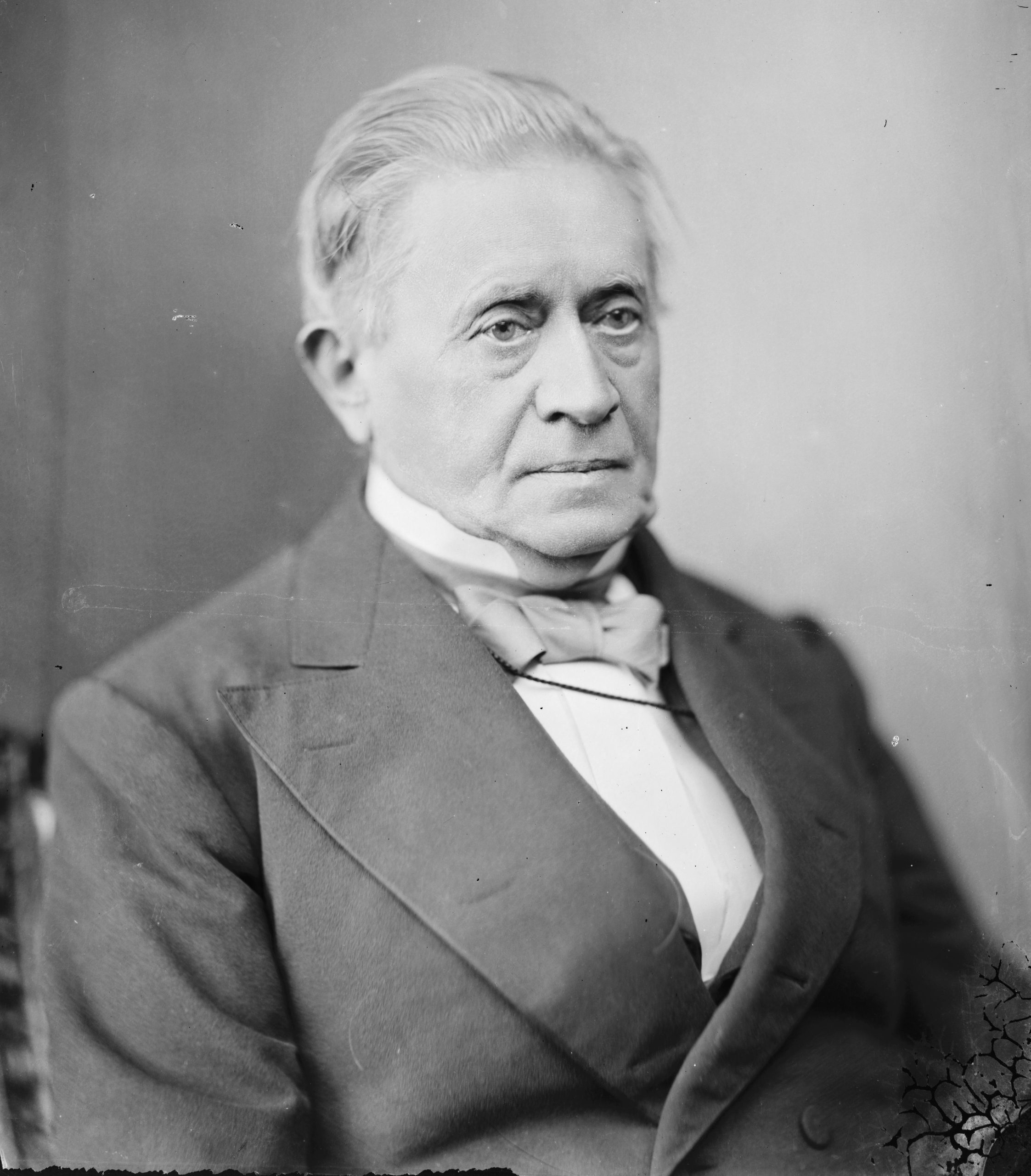
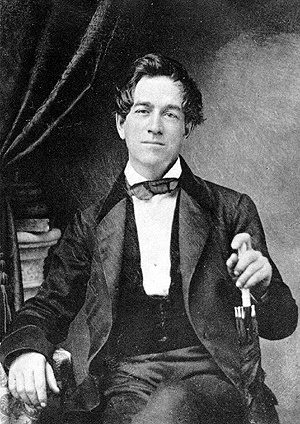
While Samuel Morse developed the original telegraph idea, Alfred Vail helped transform it into a more efficient communication system. Vail worked closely with Morse and contributed both mechanical improvements and refinements to the coding system itself. He helped design better telegraph equipment and simplified parts of the code to make communication faster and easier.
One of Vail’s most important contributions was helping develop the dot-and-dash system now recognized as Morse code. He also helped assign shorter signals to commonly used letters, improving communication efficiency. This made telegraph messaging quicker and more practical for widespread use.
The telegraph and Morse code revolutionized human communication by allowing information to travel almost instantly across great distances. Before the telegraph, messages could take days or even weeks to arrive by ship or horseback. Morse code changed this by transforming language into electrical signals that could move through wires in seconds.
This technology became especially important during wars, business transactions, and journalism because breaking news could now spread rapidly. Morse code also laid the foundation for future communication technologies, including telephones, radio systems, and eventually the internet.
Although Samuel Morse is often credited with inventing Morse code, the system was truly built through collaboration. Joseph Henry provided the scientific breakthroughs involving electromagnets and electricity, while Alfred Vail improved the telegraph equipment and helped refine the coding system itself. Together, their work transformed communication forever and helped create the foundation for the modern interconnected world.