
nformation is one of the most powerful concepts humans have ever discovered. Writing allowed humans to store ideas outside the brain using symbols and language. Over time, people realized that information could be transformed between different forms — speech, writing, patterns, and eventually electrical signals. In many ways, civilization itself is built on humanity’s ability to preserve and transfer information.
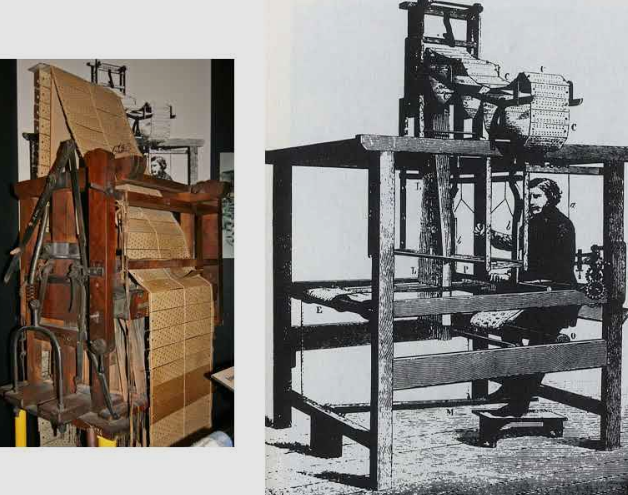
The Jacquard loom used punch cards to control weaving patterns automatically, making it one of the earliest examples of programmable technology. Each punch card contained information that instructed the loom which threads to lift. This system demonstrated that symbols and patterns could control machines, an idea that later became fundamental to computers and digital technology.
Digital systems reduce information into limited choices, often binary patterns like on/off or 1/0. This allows information to be stored, copied, and transmitted efficiently. However, converting the real world into digital information can sometimes reduce quality or complexity. Humans constantly debate whether this loss matters and whether digital versions can fully capture reality.
Modern computers, phones, and the internet all emerged from humanity’s growing understanding of information and symbols. Technologies like writing, weaving machines, and telegraphs may seem unrelated, but they all contributed to the same idea: information can be encoded, stored, translated, and transmitted. The digital world humans live in today began long before computers existed.